About Nilamber & Pitamber
- About
History & Struggle
Lives of the Warrior Brothers
A concise overview of the lives, struggles, and enduring legacy of the warrior brothers Nilambar and Pitambar.
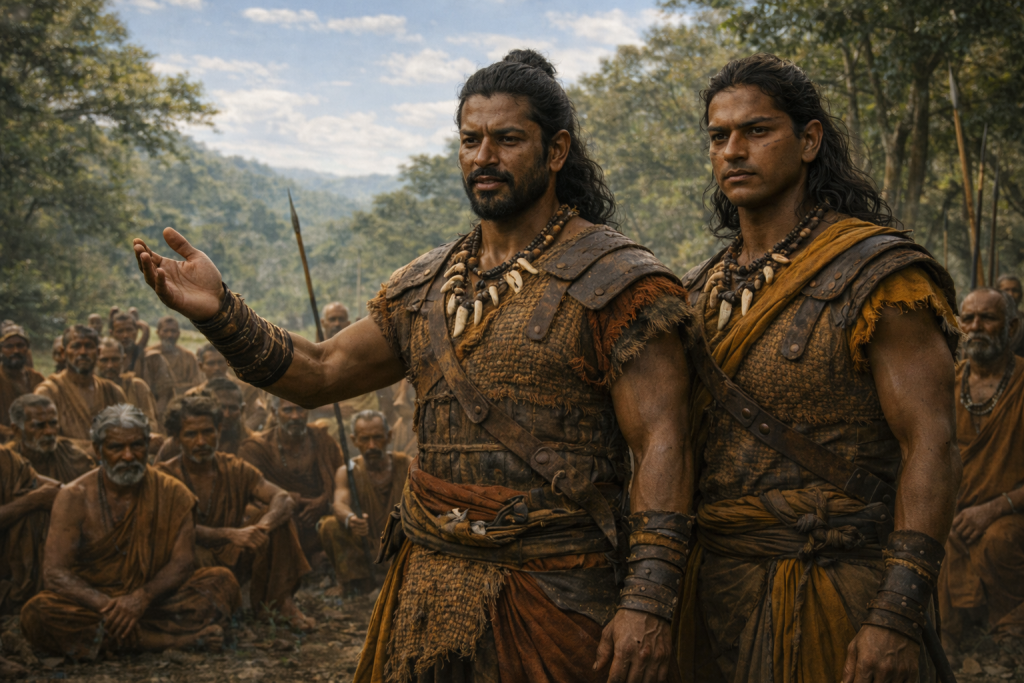
Nilambar and Pitambar were prominent tribal warrior rulers of the Palamu region in present-day Jharkhand during the 16th century. Belonging to the indigenous Chero community, they governed their territory through traditional systems rooted in tribal customs, collective leadership, and respect for land and forests. Their rule represented autonomy at a time when expanding imperial powers sought centralized control.
As Mughal influence expanded eastward under Emperor Akbar, Nilambar–Pitambar emerged as strong opponents of external domination. They refused to submit to Mughal authority, viewing imperial control as a threat to tribal sovereignty, cultural identity, and ancestral lands. Their resistance was not merely military but ideological, centered on the protection of indigenous governance and way of life.
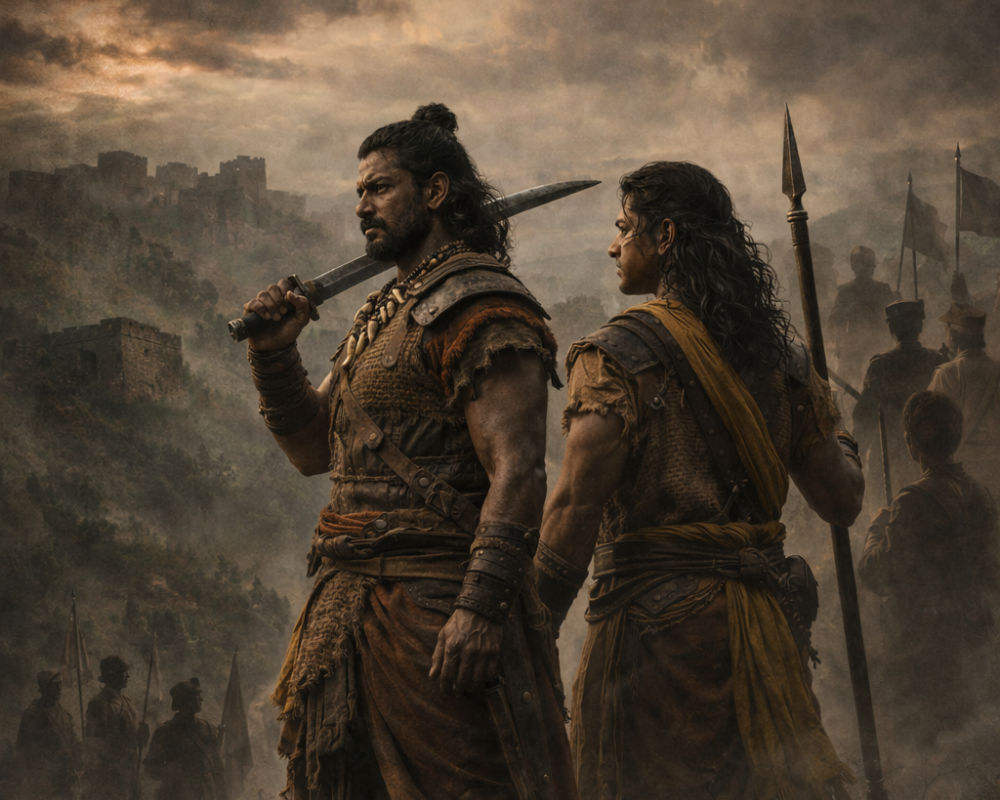
The brothers fortified Palamu, strengthening its defenses and organizing local warriors drawn from surrounding tribal communities. Their knowledge of dense forests, hilly terrain, and guerrilla warfare allowed them to challenge larger and better-equipped forces. For several years, they successfully resisted Mughal attempts to seize control of the region.
In 1574, Mughal forces launched a major campaign against Palamu. Despite determined resistance, Nilambar and Pitambar were eventually defeated and captured. Their fall marked the end of independent Chero rule in the region and the beginning of Mughal administration. However, their defeat did not erase their influence.
Nilambar–Pitambar became enduring symbols of tribal courage, resistance, and self-rule. Their story survived through oral traditions, local histories, and cultural memory. They are remembered not as defeated rulers, but as leaders who chose resistance over submission, leaving behind a legacy that inspired later tribal movements and resistance against colonial rule.
Early Life
Roots of the Warriors
An insight into the family roots, upbringing, and early influences that shaped Nilambar and Pitambar into fearless tribal leaders.
1.Tribal Lineage & Heritage
Born into a respected Chero tribal ruling family, Nilambar and Pitambar inherited traditions of leadership, land protection, and community governance.
2. Early Training & Values
From childhood, they received training in warfare, survival, and forest knowledge, guided by elders who instilled courage, discipline, unity, and deep respect for tribal culture.
3. Formative Influences
Early encounters with external threats to tribal lands shaped their resistance mindset, strengthening their resolve to defend sovereignty throughout their leadership.
4. Bond of Brotherhood
Growing up together forged an unbreakable bond between Nilambar and Pitambar, s leadership, mutual trust, and unity during times of conflict and governance.
5. Connection to Land
Daily life in forests and hills nurtured deep spiritual and practical ties to the land, reinforcing their duty to protect nature, sacred spaces, and ancestral territories.
6. Community Leadership
Early involvement in village councils and tribal gatherings prepared them to lead with consensus, fairness, and respect among warriors, elders, and neighboring communities.
A Land Under Pressure
The socio-political situation in Jharkhand during their time
An overview of the political tensions, tribal governance, and external pressures shaping Jharkhand during the era of Nilambar and Pitambar.
During the 16th century, the region now known as Jharkhand was dominated by dense forests, hills, and self-governing tribal territories. Indigenous communities such as the Chero, Munda, and Oraon lived under traditional systems of governance based on clan leadership, collective decision-making, and deep respect for land and nature. Authority was local, and power flowed from community consent rather than centralized rule.
This balance began to shift as expanding imperial powers, particularly the Mughal Empire under Emperor Akbar, pushed eastward. Administrative control, revenue demands, and military campaigns threatened tribal autonomy. Forests were no longer seen merely as sacred spaces but as resources to be taxed and controlled.
Local rulers like Nilambar–Pitambar stood at the center of this tension. They represented resistance against imposed authority and defended indigenous political systems. The socio-political environment was thus marked by conflict between traditional tribal governance and emerging imperial administration, creating the conditions that led to armed resistance and lasting cultural memory.
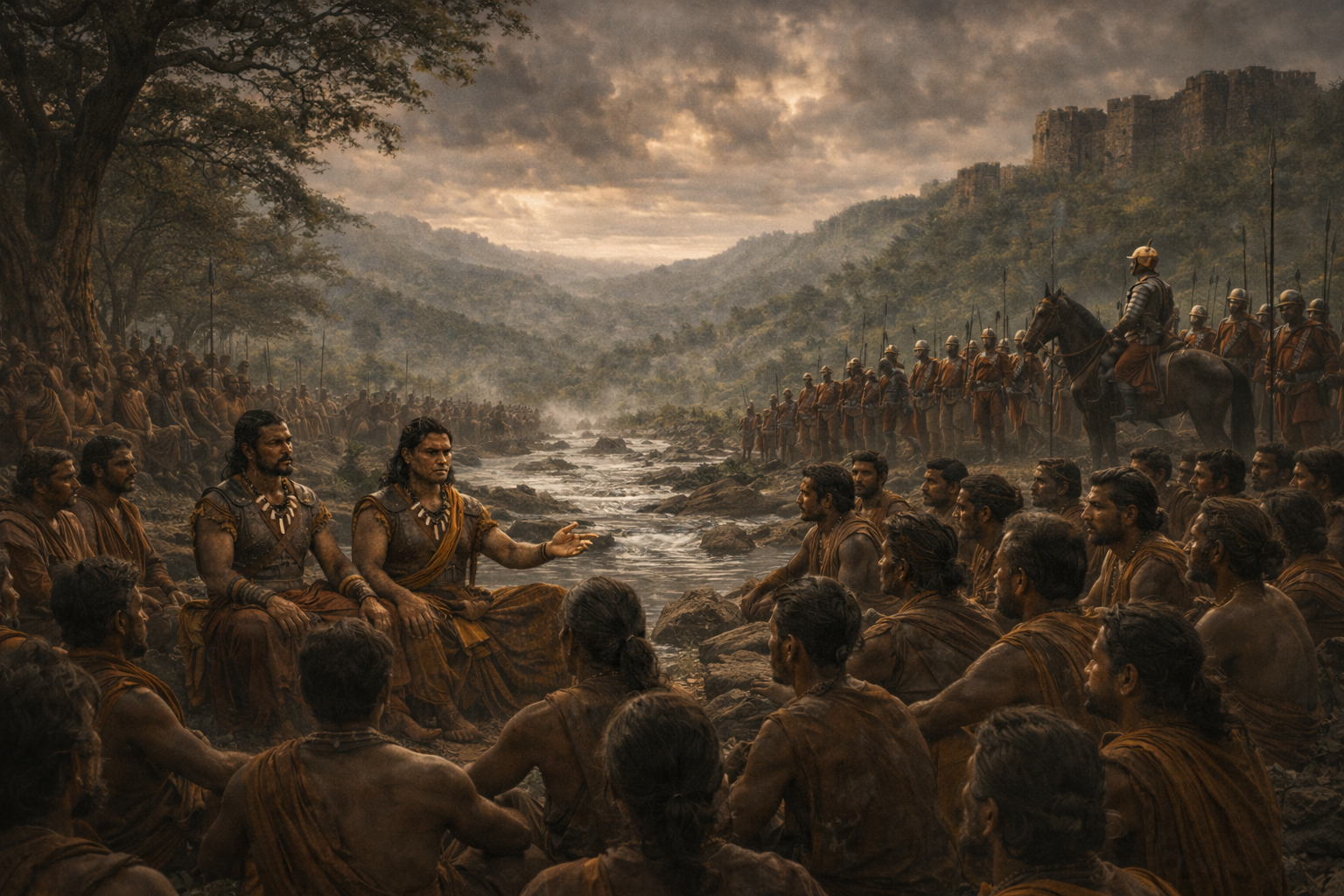
Values & Influence
Forged in Leadership
A glimpse into the values, influences, and leadership traits that shaped Nilambar and Pitambar as tribal warrior rulers.
Courageous Leadership
Tribal Lineage & Heritage
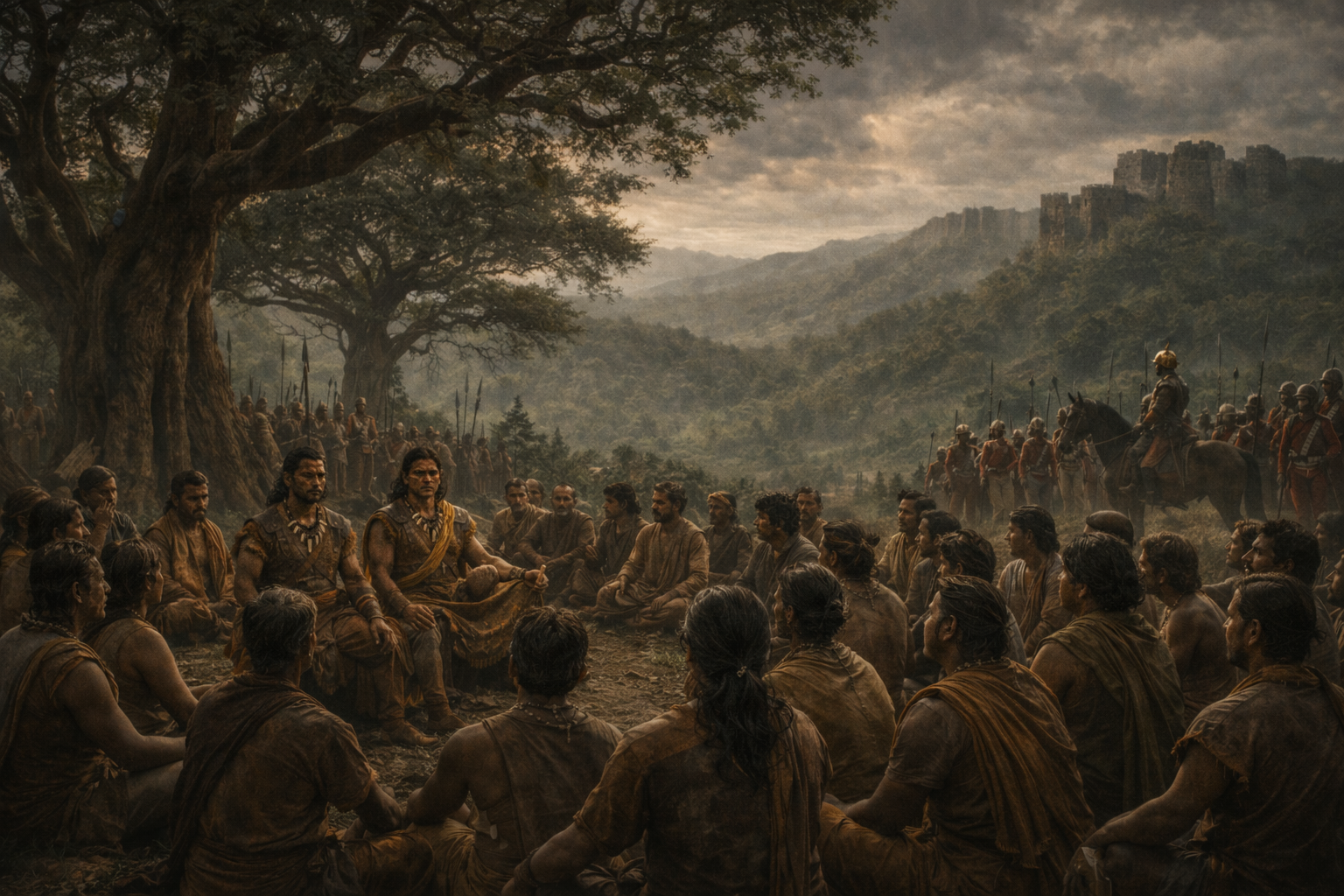
Nilambar and Pitambar led with bravery, discipline, and fairness. They practiced collective decision-making, fought alongside their warriors, and earned loyalty through personal sacrifice and responsibility.
Foundations of Influence
Early Influences
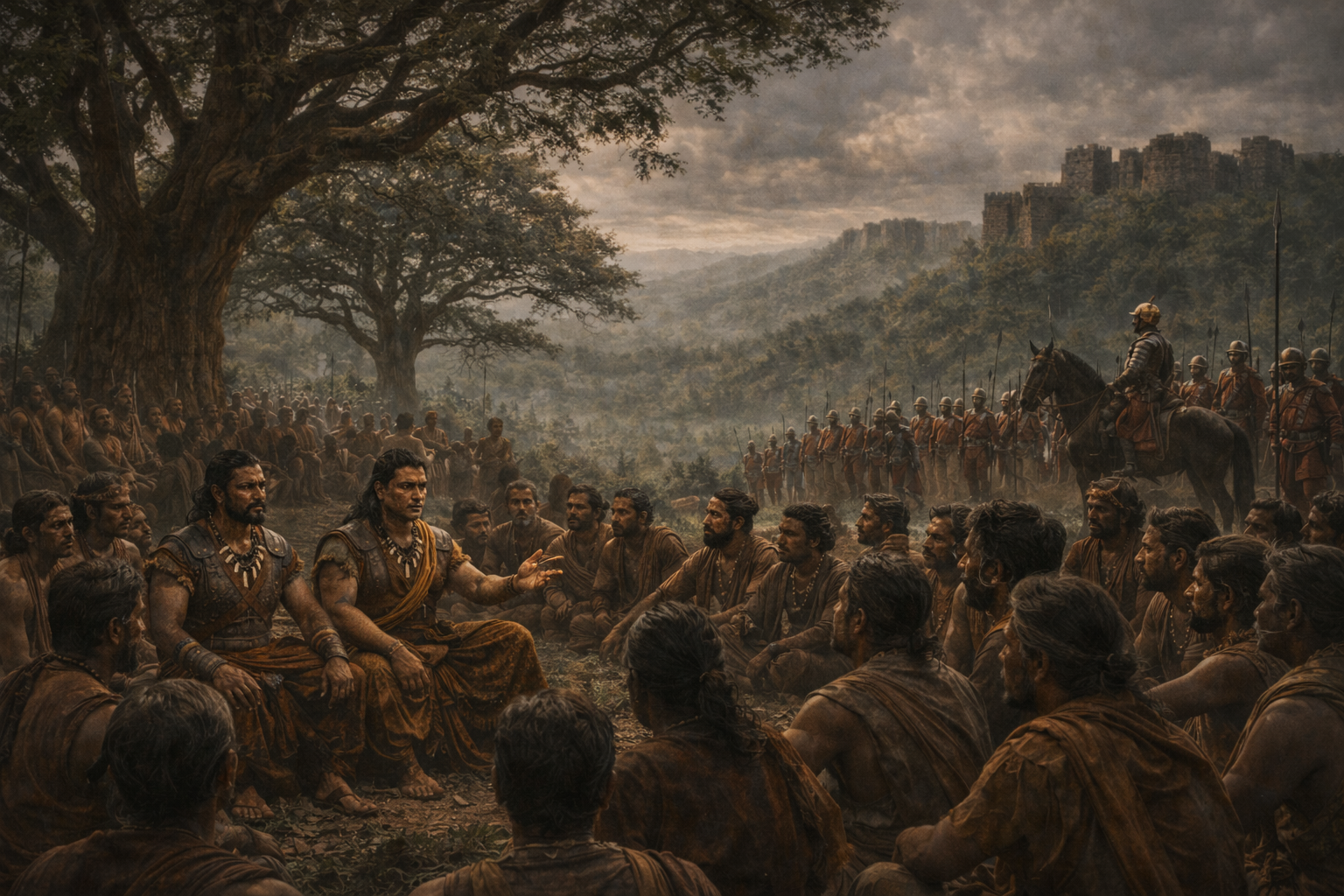
Their leadership was shaped by tribal traditions, guidance from elders, warrior training, and deep connection to land and forests. These influences instilled unity, resilience, and resistance against external domination.