
Legacy & Impact
- Legacy
Tribal Freedom Struggle
Contribution to India’s tribal freedom struggle
Nilambar and Pitambar stand among the earliest figures of organized tribal resistance in India. Their struggle in the 16th century against Mughal expansion represented a decisive stand for indigenous self-rule, land rights, and cultural preservation.
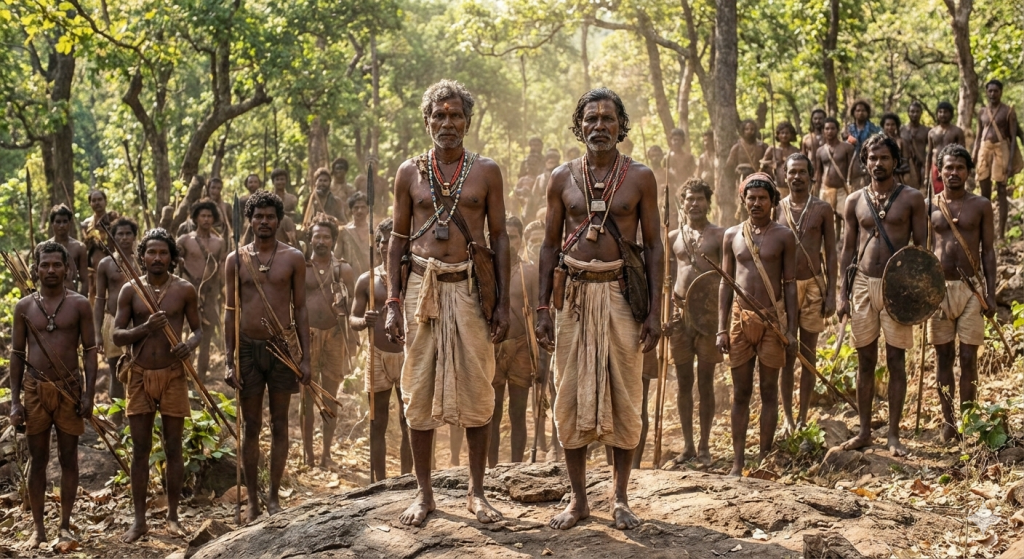
Early Tribal Resistance
Nilambar and Pitambar led one of the earliest organized tribal resistances, defending land, autonomy, and indigenous governance against imperial domination.
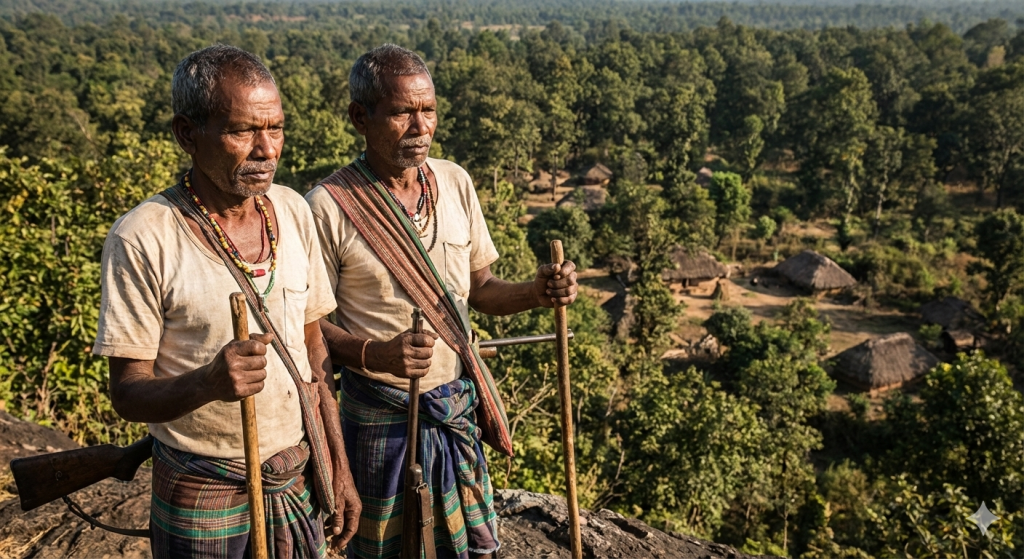
Defense of Tribal Autonomy
Their struggle emphasized self-rule and protection of ancestral lands, becoming a powerful symbol of tribal sovereignty and resistance traditions.

Inspiration for Future Movements
Their legacy survived through oral traditions, inspiring later tribal uprisings and shaping the spirit of resistance during colonial rule.

Enduring Tribal Identity
Nilambar–Pitambar strengthened tribal identity by uniting communities through courage, sacrifice, and shared cultural memory.
Echoes of Resistance
Influence on later resistance movements
The resistance led by Nilambar and Pitambar left a deep and lasting impact on the collective memory of tribal communities in eastern India.
Nilambar and Pitambar’s resistance against Mughal expansion in the 16th century established one of the earliest organized traditions of tribal defiance in eastern India. Their struggle was not an isolated military confrontation but a deeply ideological stand against external domination. By defending indigenous governance, land rights, and cultural autonomy, they created a framework of resistance rooted in identity rather than conquest. This framework became embedded in tribal consciousness and shaped how later generations understood power, authority, and resistance. Their actions demonstrated that tribal societies were capable of strategic leadership, political unity, and sustained opposition to empires. This early assertion of sovereignty formed the moral and historical foundation upon which later resistance movements would build.
The memory of Nilambar and Pitambar survived long after their defeat through oral traditions, folklore, and community storytelling. In regions where written records were limited, these narratives became powerful tools of historical continuity. Elders passed down stories of bravery, sacrifice, and leadership, reinforcing a shared understanding of resistance as a duty rather than a rebellion. These stories did not merely recount events but transmitted values—courage, unity, and refusal to submit to injustice. Over generations, Nilambar–Pitambar evolved from historical figures into symbolic ancestors of resistance, shaping the worldview of tribal communities and preparing them psychologically for future confrontations with external authorities.
As new forms of domination emerged in later centuries, particularly during colonial expansion, tribal communities drew strength from earlier examples of resistance. The struggles of Nilambar and Pitambar offered a historical reference point that legitimized opposition to foreign rule. Later resistance movements did not arise spontaneously; they were rooted in long-standing traditions of defiance. Leaders and communities recalled earlier sacrifices to justify their own actions, seeing themselves as part of an ongoing struggle rather than isolated rebels. This continuity of resistance helped sustain morale during difficult periods and reinforced the belief that imperial power, regardless of its strength, was neither natural nor permanent.
Nilambar and Pitambar’s influence also extended to the organizational aspects of later movements. Their emphasis on collective leadership, alliances among tribal groups, and use of terrain for defense informed future resistance strategies. The idea that unity among communities was essential for survival became a recurring theme in tribal uprisings. Their resistance illustrated that leadership was not imposed but earned through responsibility and sacrifice. These principles shaped how later tribal leaders mobilized people, organized defenses, and negotiated identity in the face of external pressure. Even when resistance movements failed militarily, the organizational lessons endured and reappeared in subsequent struggles.
In the broader narrative of India’s freedom struggle, Nilambar and Pitambar represent the deep roots of resistance that predate colonial rule by centuries. Their influence challenges the idea that resistance began only in the modern era. Instead, it reveals a continuous tradition of struggle led by indigenous communities long before national movements took shape. By inspiring later resistance movements, Nilambar and Pitambar became enduring symbols of tribal courage and autonomy. Their legacy reminds history that India’s fight for freedom was not a single moment but a long process shaped by countless acts of resistance, sacrifice, and unwavering commitment to self-rule.
State & National Recognition
Recognition by the state and nation
Over the centuries, Nilambar and Pitambar’s legacy as tribal leaders and symbols of resistance has been formally recognized by both state and national authorities in India.
Statues & Memorials
Installed across Jharkhand and neighboring states, statues and memorials honor Nilambar and Pitambar’s courage, leadership,.
Cultural Programs
Festivals, public events, and cultural programs celebrate their bravery, uniting communities in remembrance and honoring tribal heritage.
Educational Recognition
Their stories are included in school curricula and historical research, highlighting early tribal resistance and inspiring young generations.
National Awareness
Government initiatives and media coverage preserve their legacy, emphasizing tribal contributions to India’s history and collective memory.
Memorials & Institutions
Memorials, statues, or institutions named after them
A brief overview of how Mughal authorities responded to resistance and imposed control following the capture of Nilambar and Pitambar.

Nilambar–Pitambar
Memorial, Palamu
Commemorates their resistance against Mughal expansion; features statues, plaques, and educational displays honoring their leadership and tribal legacy.
Nilambar Tribal
Cultural Center
Dedicated to preserving tribal history, art, and folklore, promoting research, education, and awareness of Nilambar and Pitambar’s contributions.

Statue
at Fort Palamu
Life-sized statues depict the warrior brothers in traditional attire, inspiring visitors and highlighting their courage and strategic leadership.

Nilambar–Pitambar
Educational Institute
A school and research hub named after the brothers, emphasizing indigenous culture, history, and the values of leadership and resilience.