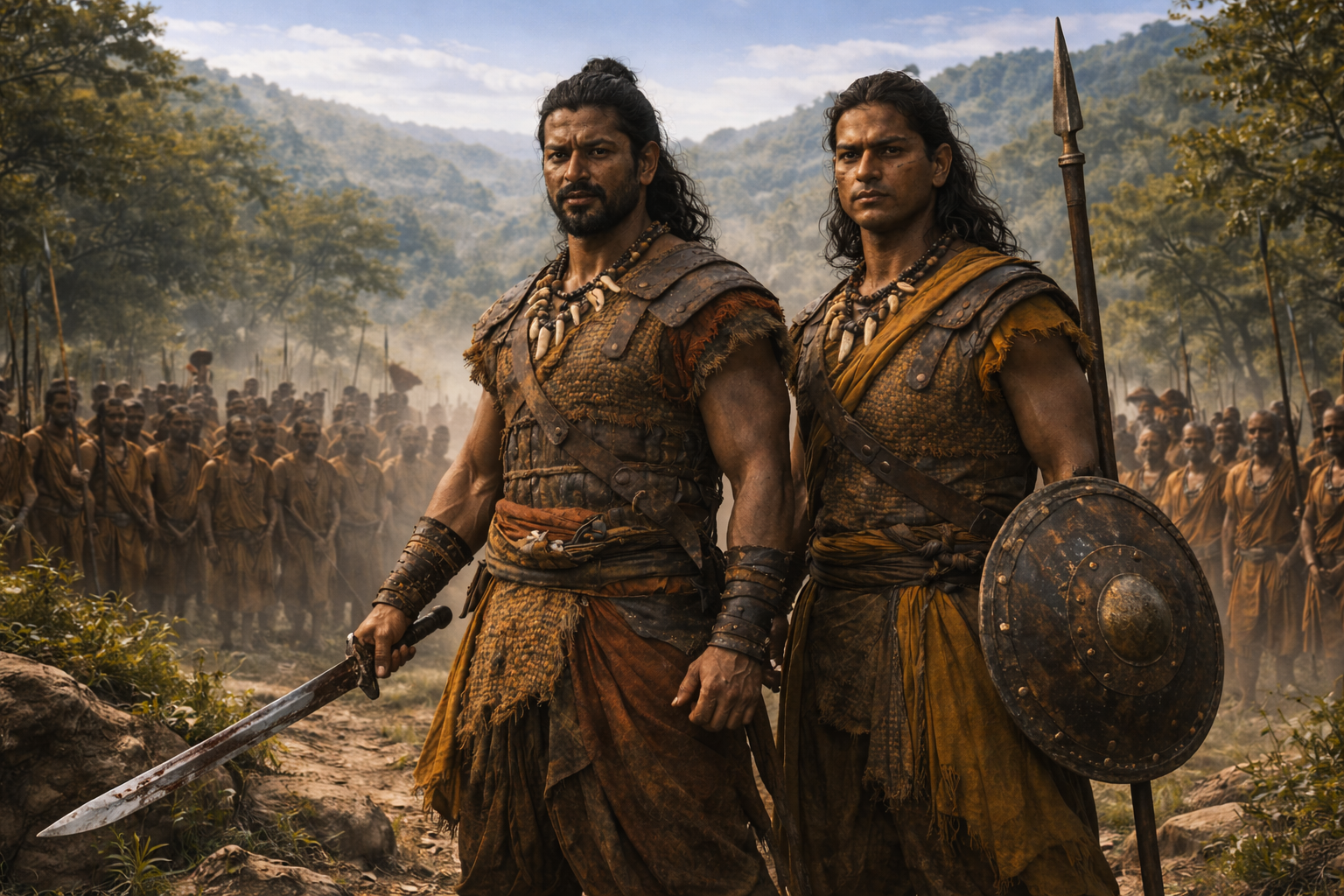
The 1857 Uprising in Jharkhand
- The 1857 Uprising in Jharkhand
Defenders of Freedom
Their role in the revolt
Nilambar and Pitambar lived in the 16th century, long before the 1857 revolt. While they were not participants in that uprising, their courageous resistance against Mughal expansion became a symbol of defiance and inspired generations of tribal leaders.
Their leadership and organized defense of Palamu demonstrated strategic thinking, unity, and bravery, which later served as a model for tribal communities during subsequent uprisings. Their actions emphasized protecting land, autonomy, and cultural identity—values that echoed during the revolt and other anti-imperial movements in eastern India.
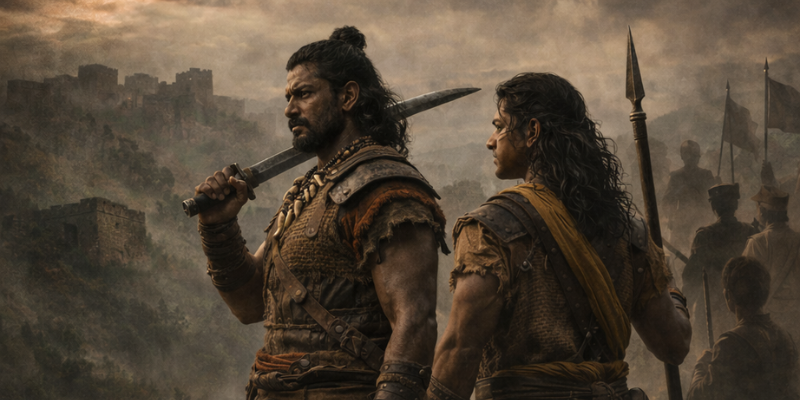
Milestones & Resistance
Timeline of Key Events
A chronological overview of key events in the lives of Nilambar and Pitambar, highlighting their leadership, resistance, and enduring legacy.
1550
Early Life & Training
Nilambar and Pitambar are born into the Chero tribal ruling family and begin their early education in tribal customs, leadership, and combat skills.
1570
Consolidation of Power
The brothers assume leadership of Palamu, strengthen fortifications, and organize local warriors to defend their territory against emerging threats.
1574
Mughal Conflict
Mughal forces launch a campaign against Palamu. Nilambar and Pitambar resist fiercely, utilizing guerrilla tactics and deep knowledge of the forested terrain.
Post-1574
Legacy of Resistance
Although defeated, their courage and strategic leadership become symbols of tribal defiance, inspiring generations of warriors and later resistance movements.
Tribal Alliances
Collaboration with tribal communities
Nilambar and Pitambar strengthened ties with neighboring tribal communities, fostering unity, coordinated defense strategies, and shared cultural values to protect land, autonomy, and tribal heritage.
Strategic Alliances
Formed alliances with nearby tribal leaders, pooling warriors and resources to create a united front against invading forces.
Cultural Unity
Preserved and promoted tribal customs, festivals, and spiritual practices to strengthen community bonds and morale during conflict.
Shared Knowledge
Exchanged tactical insights, forest navigation skills, and combat techniques enhance collective resistance effectiveness.
Coordinated Defense
Organized joint patrols, fortified positions, and guerrilla operations, and protection of tribal lands against imperial threats.
Symbolic Confrontation
Confrontation with the British forces
Nilambar and Pitambar lived centuries before the arrival of British power in eastern India. Their direct confrontations were against Mughal expansion, not colonial forces. However, their struggle established an early tradition of organized tribal resistance, rooted in protecting land, autonomy, and indigenous governance systems.
When British authority later expanded into Jharkhand and surrounding regions, tribal communities drew inspiration from earlier heroes like Nilambar–Pitambar. Their story survived through oral traditions and local memory, reinforcing the belief that external domination must be resisted. In this way, their legacy symbolically confronted British rule by shaping the mindset and courage of later tribal uprisings.